Skip to content

Breaking Point Film

Creating and exploring the many moments of cinematic brilliance.

Trailers

By hitting you with a basic idea and thought, our trailers tell you what to expect from a film that is bound to blow your mind.

Tickets

Get set and buy your tickets on time to be the first one to grab hold of an opportunity that everyone can’t stop talking about.

Discounts

Stand a chance to win exciting offers and discounts that open the door for an endless number of possibilities. 

Our gallery

Happy Viewers
134
Successfull
2900 +
artists
10 +
Testimonials

Reviews

Rated 5 out of 5
“I always look forward to creative services, and they are readily available to provide the same.”
Edna R Rogers

Latest Updates

The iGreenAsia Difference: How Our Bat Repellent Protects Your Home and the Environment

iGreenAsia’s bat repellent combines calibrated ultrasonic signals with species-specific, non-toxic scent compounds to humanely discourage roosting without harming animals bat control. Sensors modulate output to prevent habituation and avoid overlap with human and pet hearing ranges. Units are timed and housed for child and pet safety, with materials tested for minimal environmental persistence and pollinator impact. Field trials show reduced occupancy and relocation without injury. Continue for practical use tips, comparisons, and maintenance guidance.

Riverstone Restaurant - Obesity Issue

How iGreenAsia Repellent Works: Science-Backed, Humane Bat Deterrence

Drawing on acoustic, olfactory, and behavioral research, the iGreenAsia repellent employs targeted ultrasonic frequencies and species-specific scent compounds to create an environment bats find unfavorable without causing harm igreenasia. The device emits calibrated ultrasonic signals that interfere with bats’ navigation and comfort zones while minimizing overlap with human and pet hearing ranges.

Complementary olfactory masking releases non-toxic compounds that disrupt roosting cues and reduce site attractiveness. Field trials quantify reduced occupancy and increased relocation rates without injury, and sensors adjust output to avoid habituation.

Deployment guidelines emphasize placement, timing, and monitoring to maximize effectiveness. Data-driven adjustments allow adaptive management, balancing deterrence efficacy with respect for local ecosystems and legal protections for bat populations.

Why iGreenAsia Is Safer for Families, Pets, and Wildlife

The iGreenAsia repellent prioritizes safety by combining calibrated ultrasonic outputs, non-toxic olfactory agents, and automated controls that reduce risks to humans, household pets, and non-target wildlife.

The system’s child safe formulation minimizes exposure to harmful chemicals, relying instead on non toxic ingredients vetted for low toxicity and minimal environmental persistence.

Design emphasizes predictable acoustic ranges and timed operation to avoid continuous disturbance while maintaining effectiveness against bats.

Materials and housings are manufactured to prevent accidental access by curious children or animals.

Independent testing confirms absence of toxic residues and limited impact on pollinators and local fauna.

Clear labeling and transparent specifications support informed choices, enabling households to protect property without compromising personal liberty or ecological responsibility.

How to Use iGreenAsia at Home: Application Tips and Best Practices

Having established its safety profile for people, pets, and wildlife, guidance moves to practical home use of the iGreenAsia repellent, explaining placement, timing, and routine maintenance to maximize effectiveness while preserving the product’s low-impact design.

Users should position units near known entry points, eaves, attic vents, and along ceiling perimeters for ideal indoor placement, avoiding direct blocking of airflow or appliance vents. Install at heights bats frequent, and orient devices toward flight paths.

Observe seasonal timing: deploy before seasonal emergence and maintain through migration or breeding windows, reducing use in off-peak months.

Routine checks make certain devices remain unobstructed, batteries or diffusers are replaced per instructions, and placement is adjusted if bat activity shifts, supporting continued protection with minimal intervention.

Getting Rid Of Bats - OMNIS Pest Control

Comparing iGreenAsia to Chemical Sprays and Exclusion Methods

When evaluated against chemical sprays and physical exclusion methods, iGreenAsia presents a non-toxic, low-maintenance alternative that emphasizes deterrence over eradication. The product avoids the risks associated with many chemical alternatives, offering occupants freedom from toxic residues and frequent reapplication schedules.

Compared to exclusion tactics, iGreenAsia reduces reliance on structural modifications that can be costly and disruptive. Objective comparisons highlight that exclusion limitations include incomplete sealing, disturbance to dependent wildlife, and potential need for professional installation; iGreenAsia complements these methods by discouraging roosting behavior without altering architecture.

For users prioritizing humane, low-impact solutions, this approach balances effectiveness with autonomy, allowing residents to manage bat presence responsibly while minimizing environmental and personal health trade-offs.

Long-Term Prevention: Maintenance, Monitoring, and When to Call a Pro

How often should a property be checked to make certain bats remain deterred and conditions stable? Inspections are recommended at least twice yearly, with seasonal inspections in spring and autumn to confirm deterrent function and identify wear or new entry points.

Routine checks should document activity, verify batteries or power sources, and note structural changes. Maintenance guidance emphasizes timely repairs and entry sealing reminders after any assessment to prevent re-entry.

Homeowners seeking autonomy can perform basic monitoring but should avoid disturbing roosts. Professional consultation is advised when signs of persistent activity, structural complexity, or legal protections complicate exclusion.

A qualified technician can perform all-encompassing surveys, implement safe exclusion measures, and recommend an ongoing schedule aligned with local wildlife regulations and building conditions.

Conclusion

iGreenAsia offers an evidence-based, nonlethal approach to bat deterrence that balances effectiveness with safety for people, pets, and native wildlife. By combining targeted acoustic and olfactory cues with clear application guidelines and regular monitoring, it reduces roosting incentives without habitat destruction. Compared with chemical repellents and exclusion-only tactics, iGreenAsia prioritizes long-term prevention through maintenance and professional consultation when necessary, supporting humane coexistence and sustained home protection.

Quality Control in Laboratory Testing: Best Practices

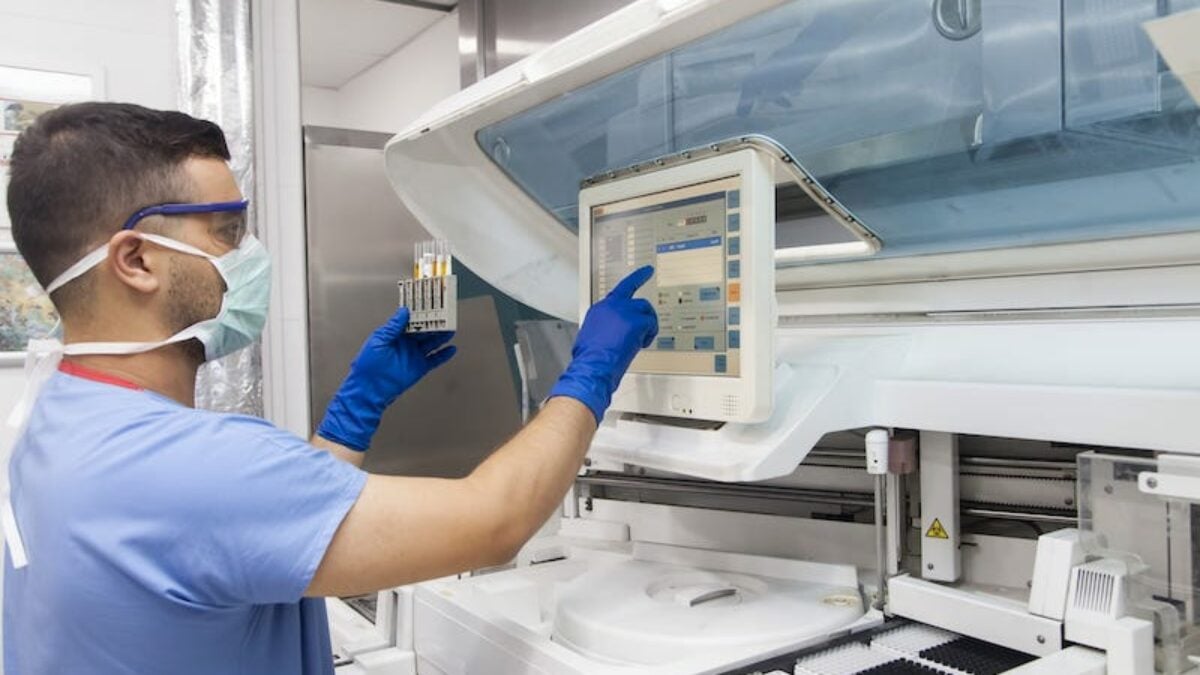
Quality control in laboratory testing is essential for delivering precise and trustworthy results. Laboratories must adopt best practices, such as implementing standard operating procedures and ensuring regular equipment maintenance. Furthermore, training laboratory personnel is crucial for maintaining competency. Continuous monitoring of testing processes can pinpoint areas needing improvement lab alliance. These strategies play a significant role in safeguarding data integrity and enhancing patient safety, but what specific practices can laboratories employ to further elevate their quality standards?

How to Improve Laboratory Quality Control Processes |

Importance of Quality Control in Laboratory Testing

Quality control serves as the backbone of laboratory testing, ensuring that results are reliable and accurate. Without effective quality control measures, laboratories risk compromising data integrity, leading to potentially dangerous outcomes.

Implementing rigorous quality control protocols fosters an environment where error reduction becomes paramount. By regularly monitoring equipment and procedures https://laballiance.com.my/, laboratories can identify discrepancies early, mitigating risks associated with false results.

Consistent calibration of instruments and thorough validation of testing methods are fundamental practices that uphold the integrity of laboratory processes.

When staff members are trained in quality control principles, they become vigilant in detecting and addressing any anomalies, further enhancing the accuracy of results. This proactive approach not only safeguards patient safety but also empowers laboratories to maintain their credibility.

Ultimately, prioritizing quality control in laboratory testing reflects a commitment to excellence, ensuring that healthcare decisions are based on trustworthy data.

Implementing Standard Operating Procedures (SOPs)

To guarantee consistent and reliable laboratory results, implementing Standard Operating Procedures (SOPs) is essential. SOP Development involves creating clear, step-by-step guidelines that outline the processes for various laboratory tasks. These documents assure that all personnel are trained uniformly, reducing variability in test results and enhancing overall quality control.

SOP Compliance is equally critical, as it mandates adherence to these established procedures. Regular audits should be conducted to verify compliance, assuring that all staff members understand and follow the protocols. This systematic approach minimizes errors and fosters a culture of accountability within the laboratory.

Additionally, SOPs should be regularly reviewed and updated to reflect new regulations, technological advancements, and best practices. By prioritizing SOP Development and Compliance, laboratories can achieve a higher standard of quality control, ultimately leading to more accurate and trustworthy results.

This commitment to consistency empowers laboratories to maintain their reputation and credibility in the scientific community.

Regular Calibration and Maintenance of Equipment

While it’s easy to overlook, regular calibration and maintenance of laboratory equipment are vital to guaranteeing the accuracy and reliability of test results. Calibration frequency should align with manufacturer recommendations and the specific requirements of each instrument. This proactive approach helps identify discrepancies before they affect data integrity.

Routine maintenance, including cleaning and parts replacement, further supports equipment accuracy. Labs must establish a systematic schedule, detailing when each piece of equipment requires calibration or servicing.

Documentation of these activities is essential, as it provides a traceable history for audits and compliance checks. Implementing a tracking system guarantees that no equipment falls through the cracks, maintaining a consistent level of performance across all devices.

NEO Hospital

Training and Competency Assessment of Laboratory Personnel

Guaranteeing laboratory personnel are well-trained and competent is essential for maintaining high standards of testing accuracy and reliability. Organizations must implement structured training programs that align with established competency benchmarks. These programs should cover technical skills, safety protocols, and quality assurance practices, making certain personnel understand their roles thoroughly.

Regular assessments help identify skill gaps, enabling targeted training interventions. By using standardized evaluation methods, laboratories can measure individual performance against defined competency benchmarks.

Furthermore, incorporating practical simulations into training enhances hands-on experience, reinforcing theoretical knowledge.

Mentorship opportunities also foster a culture of continuous learning, where experienced staff guide less experienced colleagues, promoting knowledge sharing.

Ultimately, a well-prepared team not only boosts confidence in test results but also cultivates a proactive approach to quality control. By prioritizing training and competency assessment, laboratories guarantee their personnel are equipped to uphold the highest standards within the dynamic landscape of laboratory testing.

Continuous Monitoring and Evaluation of Testing Processes

Laboratory personnel equipped with robust training and competency evaluations form a solid foundation for quality control, but ongoing vigilance in monitoring and reviewing testing processes is equally important.

Continuous monitoring guarantees data integrity, safeguarding the accuracy and reliability of test results. Implementing real-time data tracking systems allows laboratories to identify anomalies promptly, preventing potential errors before they affect outcomes.

Regular audits and performance reviews further enhance process optimization, enabling laboratories to refine their methodologies based on empirical evidence.

Establishing key performance indicators (KPIs) offers measurable benchmarks, guiding personnel in evaluating their workflows and identifying areas for improvement.

Feedback loops facilitate ongoing learning, empowering teams to adapt swiftly to new information or technologies.

Ultimately, a commitment to continuous review not only reinforces quality control but also fosters an environment where personnel can thrive, promoting a culture of excellence in laboratory testing.

This proactive approach guarantees that laboratories remain at the forefront of innovation and precision.

Conclusion

In summary, adhering to best practices in quality control is essential for laboratories to guarantee accurate and reliable testing results. By implementing standard operating procedures, conducting regular equipment maintenance, and investing in personnel training, laboratories can markedly enhance their operational integrity. Continuous monitoring and evaluation further empower teams to identify areas for improvement, fostering an environment of excellence. Ultimately, these measures safeguard data integrity, elevate patient safety, and uphold the highest standards in laboratory testing methodologies.

Grooming Essentials: What Every Pet Owner Should Know

In the realm of responsible pet ownership, proper grooming stands as a fundamental pillar of care. Understanding the significance of grooming essentials and incorporating them into your routine can significantly enhance the well-being and happiness of your beloved furry companions.

By delving into the importance of grooming, identifying essential tools pet universe starlux, and mastering techniques for stress-free sessions, pet owners can equip themselves with the knowledge necessary to provide optimal care for their cherished animals.

Grooming - The Spotted Dog

Importance of Pet Grooming

Understanding the significance of regular pet grooming is essential for maintaining your furry companion’s health and well-being. Grooming goes beyond merely keeping your pet looking tidy; it plays a crucial role in preventing health issues. Regular brushing helps to distribute natural oils throughout your pet’s coat, keeping it healthy and shiny. It also helps to remove loose fur pet grooming, preventing mats and tangles that can be uncomfortable for your pet. Additionally, grooming allows you to check for any abnormalities such as lumps, bumps, or parasites that may require veterinary attention.

Moreover, grooming sessions provide an excellent opportunity for bonding with your pet. It is a time where you can show your pet love and care, strengthening your relationship. Furthermore, keeping your pet clean and well-groomed can also help in maintaining a hygienic environment in your home, reducing the chances of allergies and infections. Overall, regular grooming is a simple yet effective way to ensure the well-being and happiness of your beloved pet.

Essential Grooming Tools

Proper grooming requires the use of essential tools that facilitate the maintenance of your pet’s hygiene and appearance. These tools are indispensable for ensuring your pet looks and feels its best.

A high-quality brush is a fundamental tool for maintaining your pet’s coat by removing loose fur, preventing matting, and distributing natural oils. Nail clippers designed for pets are essential to keep their nails at an appropriate length, avoiding discomfort and potential injuries.

Additionally, specialized pet shampoos cater to different coat types, ensuring a clean and healthy fur texture. Ear cleaners help prevent infections by removing excess wax and debris. Toothbrushes and toothpaste formulated for pets are crucial for maintaining oral health and preventing dental issues.

Lastly, grooming scissors are useful for trimming fur around sensitive areas like the eyes, ears, and paws. By investing in these essential grooming tools, pet owners can ensure their furry companions remain clean, comfortable, and healthy.

Bathing Your Pet

To maintain your pet’s hygiene and appearance, bathing is a crucial aspect of their grooming routine. While some pets may require more frequent baths than others, most dogs benefit from a bath every 4-6 weeks. Cats, on the other hand, are generally good at self-grooming and may not need regular baths unless they have gotten into something messy.

Before bathing your pet, ensure you have the appropriate pet-friendly shampoo and conditioner. Use lukewarm water and be mindful of your pet’s comfort throughout the process. Start by wetting their fur thoroughly, avoiding their ears and eyes. Gently massage the shampoo into their coat, ensuring to rinse all the suds out completely. Follow up with a conditioner if needed, and pat them dry with a towel. Some pets may need a blow dryer on a low, cool setting.

Regular baths not only keep your pet clean but also provide an opportunity to check for any unusual lumps, bumps, or skin issues. Remember, a happy pet makes for a happy owner.

How Much Should I Tip My Dog Groomer? - PetMag

Brushing and Grooming Techniques

Effective grooming and brushing are essential practices for maintaining your pet’s coat health and overall well-being. Regular brushing helps to remove loose fur, dirt, and tangles, preventing mats and keeping the skin clean. The frequency of brushing depends on your pet’s breed and coat type, but as a general rule, most pets benefit from a brushing session at least a few times a week.

When brushing your pet, use the appropriate tools such as slicker brushes, combs, or shedding tools designed for your pet’s specific coat. Start by gently brushing in the direction of hair growth, paying extra attention to areas prone to matting like behind the ears and under the legs. Be gentle around sensitive areas and avoid pulling or tugging on knots.

In addition to regular brushing, grooming techniques like trimming nails, cleaning ears, and brushing teeth are also essential for your pet’s overall health. These practices not only help maintain your pet’s physical well-being but also provide opportunities for bonding and strengthening your relationship. By incorporating proper brushing and grooming techniques into your pet care routine, you can ensure your furry friend stays healthy and happy.

Tips for Stress-Free Grooming

For a pet owner, maintaining a calm grooming environment is crucial for ensuring a stress-free experience for both the pet and the owner. To achieve this, start by creating a routine. Regular grooming sessions help pets become accustomed to the process, reducing anxiety. Choose a quiet, well-lit area with all the necessary grooming supplies at hand. Introduce grooming tools gradually, allowing your pet to sniff and explore them before use.

Additionally, keep the atmosphere positive by offering treats and praise throughout the grooming session. If your pet becomes agitated, take a break to prevent escalating stress levels. Use gentle, slow movements when grooming to reassure your pet and prevent accidental injuries. Stay attuned to your pet’s body language; signs of distress include flattened ears, vocalizations, and attempts to escape. In such cases, pause and approach grooming with patience and understanding.

Conclusion

In conclusion, proper grooming is essential for maintaining the health and well-being of pets. By using the right tools and techniques, pet owners can ensure their furry companions look and feel their best.

Regular bathing, brushing, and grooming can help prevent matting, skin issues, and other health problems. Remember to approach grooming with patience and care to create a stress-free experience for both you and your pet.

Veterinary Hospital Vs. Pet Clinic: What’S the Difference

In the realm of animal healthcare, distinguishing between a veterinary hospital and a pet clinic is crucial for informed decision-making pet hospital. From the range of services provided to the expertise of staff members and the availability of medical treatments, various factors set these establishments apart.

Understanding the differences in facilities, equipment, and cost structures can empower pet owners to choose the most suitable option for their beloved companions. This article delves into the nuances of veterinary hospitals versus pet clinics to aid in making informed choices.

Should You Visit an Animal Hospital or a Clinic?

Services Offered

When comparing a veterinary hospital to a pet clinic, the services offered play a crucial role in distinguishing between the two facilities. Veterinary hospitals typically provide a wider range of services, including advanced medical procedures, diagnostic imaging, surgical interventions, and overnight care for more critical cases. These hospitals are equipped to handle emergencies and complex medical conditions that may require specialized equipment and expertise.

On the other hand, pet clinics primarily focus on routine check-ups, vaccinations, basic treatments for common illnesses, and minor surgeries. While both facilities prioritize the well-being of animals, the depth and complexity of services differ significantly, catering to various needs and preferences of pet owners seeking professional care for their beloved companions.

Staff Expertise

With a team of specialized veterinarians and experienced veterinary technicians, veterinary hospitals stand out for their high level of staff expertise in handling a diverse range of medical cases and procedures. These professionals have undergone extensive education and training, allowing them to diagnose and treat complex health issues in pets effectively. Veterinary hospitals often have staff members who are board-certified in various specialties such as internal medicine, surgery, oncology, and emergency care, providing a higher level of care compared to pet clinics.

Additionally, the collaborative nature of veterinary hospital staff enables them to consult with colleagues and specialists, ensuring that pets receive comprehensive and personalized treatment plans. This depth of expertise and teamwork sets veterinary hospitals apart in delivering top-notch care for beloved animal companions.

Medical Treatments Available

Veterinary hospitals offer a wide range of advanced medical treatments for pets, tailored to address various health conditions and ensure optimal care. These facilities are equipped to provide services such as surgical procedures, diagnostic imaging (X-rays, ultrasounds), dental care, vaccinations, parasite control, and specialized treatments for illnesses like cancer or chronic conditions.

Additionally, veterinary hospitals often have access to cutting-edge technology and medical resources that may not be available at smaller pet clinics. This allows for a more comprehensive approach to pet healthcare, including the ability to perform complex surgeries, intensive care monitoring, and specialized therapies.

Choosing a veterinary hospital for your pet can provide peace of mind knowing that they have access to a wide array of medical treatments to meet their specific needs.

430+ Dog Vet Iv Drip Care Stock Photos, Pictures & Royalty-Free Images -  iStock

Facilities and Equipment

Continuing from the discussion on medical treatments available, a veterinary hospital offers a wide array of facilities and equipment essential for providing comprehensive care for pets. These establishments are equipped with advanced diagnostic tools such as X-ray machines, ultrasound equipment, and in-house laboratories for quick test results.

Surgical suites in veterinary hospitals are designed to accommodate various procedures, from routine spaying and neutering to complex orthopedic surgeries. Additionally, veterinary hospitals often have specialized equipment like endoscopy and dental cleaning tools to address specific health needs.

The presence of these facilities and equipment in a veterinary hospital ensures that pets receive a high standard of care and allows for a more thorough examination and treatment process.

Cost and Affordability

In terms of cost and affordability, the difference between a veterinary hospital and a pet clinic lies in the range of services offered and the associated pricing structures. Veterinary hospitals generally offer a more extensive range of services, including advanced diagnostics, surgeries, and specialized treatments, which can result in higher costs compared to pet clinics.

Pet clinics, on the other hand, tend to focus on routine care such as vaccinations, basic exams, and minor procedures, making their services more affordable for pet owners. Additionally, veterinary hospitals may have higher overhead costs due to their advanced equipment and facilities, which can also contribute to higher pricing.

Pet clinics often cater to budget-conscious pet owners seeking essential care at a lower cost.

Conclusion

In conclusion, veterinary hospitals and pet clinics differ in the range of services offered, staff expertise, medical treatments available, facilities and equipment, as well as cost and affordability.

It is important for pet owners to consider these factors when choosing the appropriate healthcare provider for their beloved animals.

By understanding the distinctions between veterinary hospitals and pet clinics, pet owners can make informed decisions to ensure the best possible care for their pets.

From Classroom to Career: Success Stories in Pet Grooming Education

Discover the transformative journey of aspiring pet groomers as they transition from student to professional in the dynamic world of pet grooming education.

From mastering essential skills in the classroom to forging successful careers in the industry pet grooming academy, these success stories illuminate the dedication, passion, and tenacity required to thrive in the field of pet care.

Join us as we explore the pathways that lead individuals to build rewarding businesses and nurture fulfilling careers in pet grooming.

How to Become a Dog Groomer: A Fun Career With Flexible Hours -  Training.com.au

Growing Passion for Pet Grooming

A significant number of aspiring pet groomers are increasingly drawn to the profession due to their deep passion for working with animals https://cosmos.petuniverse.com/. This passion serves as a driving force that propels individuals towards a fulfilling career where they can combine their love for animals with their professional aspirations. The freedom that comes with being able to work closely with pets, providing them with care and grooming services, is a significant motivator for many entering this field.

The bond between humans and animals is a powerful one, and for those who choose to pursue pet grooming as a career, this bond becomes a central focus of their work. The ability to enhance the well-being and appearance of pets through grooming techniques not only showcases their skills but also contributes to the overall happiness of both the animals and their owners. As the demand for skilled pet groomers continues to rise, individuals are finding a sense of purpose and fulfillment in a profession that allows them the freedom to work closely with animals every day.

Essential Skills Learned in Training

The acquisition of essential grooming skills in training programs is pivotal for individuals transitioning from a passion for working with animals to a successful career in pet grooming. These training programs offer a comprehensive curriculum that covers a range of crucial skills.

Firstly, trainees learn the art of handling various pets with care and confidence, ensuring the safety and comfort of the animals during grooming sessions.

Secondly, they develop proficiency in different grooming techniques tailored to specific breeds, including bathing, brushing, clipping, and styling. Mastering these techniques is essential for delivering high-quality grooming services that meet the needs and expectations of pet owners.

Additionally, trainees learn about pet health and safety protocols, understanding how to identify common health issues and respond appropriately. Communication skills are also emphasized, as groomers often interact with pet owners to understand their preferences and provide guidance on pet care.

Transitioning From Student to Professional

Upon completing their training programs, aspiring pet groomers embark on the journey from student to professional, where they apply their acquired skills and knowledge in real-world grooming settings. This transition marks a significant shift from the controlled environment of the classroom to the dynamic and unpredictable nature of the grooming industry. As professionals, groomers have the freedom to showcase their unique styles and techniques while catering to the specific needs of each pet and their owner. They must adapt to different personalities, temperaments, and grooming preferences, all while maintaining a high standard of care and professionalism.

The transition from student to professional also involves building a clientele, establishing a reputation, and continuously honing their craft. Groomers must demonstrate reliability, consistency, and a genuine passion for their work to attract and retain loyal customers. Additionally, staying updated on industry trends, attending workshops, and seeking mentorship are essential steps in furthering their careers. By embracing this transition with enthusiasm and dedication, pet groomers can carve out successful and fulfilling careers in the competitive world of pet grooming.

The Best Classes to Learn Dog Grooming

Building a Successful Grooming Business

After completing their grooming training programs, pet groomers transition into building a successful grooming business by strategically marketing their services and cultivating strong relationships with clients. To establish a thriving business, groomers must first define their unique selling points and target market. Leveraging social media platforms, creating a professional website, and networking within the pet community are essential steps in reaching potential clients.

Moreover, providing exceptional customer service and ensuring the well-being of the animals in their care are paramount to building trust and loyalty with clients. Offering specialized services such as creative grooming or catering to specific breeds can also help groomers stand out in a competitive market. Implementing efficient booking and scheduling systems, as well as maintaining a clean and welcoming grooming environment, are crucial for client retention and positive word-of-mouth referrals.

Continual learning and staying updated on grooming trends and techniques are key to staying competitive in the industry. By consistently delivering high-quality services and prioritizing customer satisfaction, pet groomers can forge a path towards long-term success in their grooming business.

Nurturing a Lifelong Career in Pet Care

Transitioning from building a successful grooming business, pet groomers can nurture a lifelong career in pet care by continuously honing their skills and expanding their knowledge base. To stay relevant in the dynamic pet care industry, professionals must embrace lifelong learning opportunities. This may involve attending advanced grooming workshops, pursuing certifications in specialized areas like canine behavior or feline grooming, or even exploring new trends in pet styling. By staying informed about the latest techniques, tools, and products, groomers can offer top-notch services to their furry clients and their owners.

Furthermore, building a strong network within the pet care community can provide valuable support and opportunities for career growth. Engaging with fellow groomers, veterinarians, pet store owners, and pet parents can lead to collaborations, referrals, and mentorship opportunities. Additionally, actively seeking feedback from clients and continuously striving to improve customer satisfaction can help groomers build a loyal clientele base and secure long-term success in the industry.

Conclusion

In conclusion, the journey from classroom to career in pet grooming education is one filled with passion, skill development, and dedication.

By mastering essential grooming techniques and transitioning into the professional world, individuals can build successful businesses and nurture lifelong careers in pet care.

With a commitment to continuous learning and growth, aspiring groomers can turn their love for animals into a rewarding and fulfilling profession.

The Critical Role of Security Systems in Singapore’s Residential and Commercial Hubs

In the bustling metropolis of Singapore, the integration of advanced security systems has become paramount in safeguarding both residential and commercial spaces.

From cutting-edge surveillance cameras to innovative biometric authentication technologies Security Systems Singapore, the landscape of safety and security measures continues to evolve rapidly.

This article delves into the critical role these systems play in fortifying Singapore’s urban hubs, ensuring a proactive approach to protecting lives, assets, and data in a world increasingly reliant on digital technologies.

How to advance Singapore as a global forerunner in cybersecurity | EY  Singapore

Importance of Surveillance Cameras

In the modern era, the significance of surveillance cameras in safeguarding both residential and commercial properties in Singapore cannot be overstated. These cameras play a pivotal role in enhancing security measures, deterring criminal activities, and providing valuable evidence in the event of incidents.

By monitoring premises round the clock, surveillance cameras offer a sense of safety and peace of mind to residents and business owners alike. In a society that values freedom and security, the presence of these cameras serves as a proactive measure to prevent potential threats and ensure the well-being of individuals and assets.

With advancements in technology, modern surveillance systems in Singapore are equipped with features like motion detection, night vision, and remote access, further empowering users to monitor their properties efficiently.

Access Control Systems in Action

Effective implementation of access control systems is integral to enhancing security measures in Singapore’s residential and commercial hubs. By utilizing access control systems, individuals have the freedom to manage and monitor who enters specific areas, ensuring that only authorized personnel are granted entry.

These systems provide a sense of security and peace of mind, allowing residents and business owners to control access points efficiently. In residential settings, access control systems offer the flexibility to restrict entry to certain floors or communal areas, safeguarding residents’ privacy and safety.

Similarly, in commercial hubs, access control systems help regulate employee access to different parts of the building, protecting sensitive information and valuable assets. Overall, the proactive use of access control systems plays a crucial role in maintaining a secure environment that promotes freedom and peace of mind for all.

Biometric Authentication Advancements

Utilizing advanced biometric authentication technology further strengthens the security infrastructure in Singapore’s residential and commercial hubs. This ensures precise identification and access control measures. Biometric authentication advancements offer unparalleled security by utilizing unique biological traits such as fingerprints, iris scans, or facial recognition to grant access. This technology provides a high level of accuracy, making it extremely difficult for unauthorized individuals to breach security protocols.

Third Wave Innovations rolls security into all-in-one NOC offering | CSO  Online

Smart Monitoring Solutions Revolution

Implementing smart monitoring solutions revolutionizes security measures in Singapore’s residential and commercial hubs. These cutting-edge systems provide real-time surveillance, enabling proactive responses to potential threats.

By utilizing AI-powered cameras, sensors, and analytics, security personnel can efficiently monitor large areas and identify suspicious activities promptly. Moreover, the integration of smart monitoring solutions with mobile applications empowers residents and business owners to keep an eye on their properties remotely, enhancing a sense of freedom and control.

The ability to receive instant alerts and access live footage not only deters criminal activities but also ensures swift action in case of emergencies. Embracing these advanced technologies elevates the overall security standards, promoting a safer environment for all within these bustling urban hubs.

Enhancing Safety and Security Measures

To fortify safety and security measures in Singapore’s residential and commercial hubs, integrating advanced access control systems is imperative. These systems provide an added layer of protection by regulating entry and monitoring movements within premises. By incorporating technologies such as biometric scanners, keycard access, and facial recognition, unauthorized access can be minimized, enhancing overall security protocols.

Additionally, real-time monitoring and remote access capabilities empower residents and business owners to oversee their properties actively. With these advanced security measures in place, individuals can have peace of mind knowing that their homes and establishments are safeguarded against potential threats. Embracing these enhancements not only ensures safety but also promotes a sense of freedom and control over one’s surroundings in Singapore’s bustling urban landscape.

Conclusion

In conclusion, security systems play a critical role in ensuring the safety and security of residential and commercial hubs in Singapore. Surveillance cameras, access control systems, biometric authentication, and smart monitoring solutions have revolutionized safety measures in these areas.

By implementing these advanced technologies, Singapore is able to enhance its overall security infrastructure and provide a safer environment for its residents and businesses.

Preparing for Professional Exams With Chinese Language Certifications

Embarking on the journey to attain Chinese language certifications for professional endeavors requires meticulous preparation and strategic planning psle chinese tuition. This article delves into the significance of these certifications, elucidates the advantages they offer, and provides insightful guidance on selecting the most suitable exam.

By exploring effective study methodologies and valuable resources, aspiring candidates can enhance their prospects of success in the realm of professional exams intertwined with Chinese language proficiency.

Chinese Language Proficiency Tests - ACTFL, CEFR, ILR & More

Importance of Chinese Language Certifications

Earning Chinese language certifications can significantly enhance one’s competitiveness in the global job market. As the world becomes increasingly interconnected, proficiency in Mandarin has become a valuable asset sought after by employers worldwide https://www.yanzimandarin.com/. With China’s growing influence in various industries, from technology to finance, possessing Chinese language certifications demonstrates a commitment to understanding and engaging with one of the world’s largest economies.

Moreover, Chinese language certifications not only open up job opportunities but also signify a broader cultural awareness and appreciation. Language skills are essential in fostering effective communication and building relationships across borders. By obtaining certifications in Chinese, individuals showcase their dedication to personal and professional growth, highlighting their adaptability and willingness to embrace new challenges.

In today’s competitive job market, having Chinese language certifications can set individuals apart from their peers and provide them with a unique edge. Whether pursuing opportunities in international business, diplomacy, or academia, proficiency in Mandarin can unlock a multitude of possibilities and enhance one’s career trajectory.

Benefits of Obtaining Certification

Building upon the significance of Chinese language certifications, individuals who obtain certification in Mandarin position themselves for professional success and advancement. Certification in Mandarin not only validates one’s language proficiency but also opens up a myriad of opportunities in various industries such as business, education, translation, and tourism. Employers often seek candidates with language certifications as it demonstrates a commitment to continuous learning and cultural understanding, setting certified individuals apart from their competitors.

Furthermore, holding a Mandarin certification can lead to higher earning potential and increased job security, as multilingual employees are in high demand globally. Beyond career prospects, obtaining certification in Mandarin provides individuals with the freedom to communicate effectively with a broader audience, fostering cultural exchange and understanding. Overall, the benefits of obtaining certification in Mandarin extend beyond professional growth, empowering individuals to navigate the global landscape with confidence and competence.

Choosing the Right Certification Exam

Selecting the appropriate certification exam is a critical step in preparing for professional exams with Chinese language certifications. When choosing a certification exam, it is essential to consider your career goals, proficiency level in Chinese, and the specific requirements of the industry you are targeting.

The HSK (Hanyu Shuiping Kaoshi) exams are widely recognized for testing non-native speakers’ Chinese language proficiency and are suitable for individuals seeking to study or work in China. Alternatively, the Business Chinese Test (BCT) is more tailored towards individuals aiming to use Chinese in a business context. For those interested in Chinese teaching, the Chinese Language Teacher Certification (CLTC) exam is designed to assess teaching abilities and content knowledge.

It is crucial to research each exam’s content, format, and level of difficulty to ensure that you are adequately prepared. By choosing the right certification exam that aligns with your objectives, you can effectively showcase your Chinese language skills and enhance your professional opportunities.

German Language Proficiency Testing - Learn More!

Effective Study Strategies for Exams

In preparation for professional exams with Chinese language certifications, adopting effective study strategies is crucial for success. To begin, creating a study schedule that allows for consistent practice is essential. Allocate specific time each day to focus on different aspects of the exam, such as vocabulary, grammar, reading comprehension, and listening skills.

Additionally, incorporating various study materials like textbooks, online resources, podcasts, and language exchange partners can provide a well-rounded approach to learning. Utilizing flashcards for vocabulary review and practicing writing essays or responses to sample exam questions can also enhance exam readiness.

Moreover, engaging in regular practice tests under timed conditions can help simulate the exam environment and improve time management skills.

Lastly, staying motivated and setting realistic goals are key components of effective study strategies. By staying disciplined, organized, and dedicated to continuous improvement, candidates can optimize their preparation and increase their chances of success in Chinese language certification exams.

Resources for Exam Preparation

Utilizing a diverse range of resources is imperative for enhancing exam readiness when preparing for professional exams with Chinese language certifications. Aspirants seeking freedom in their exam preparation journey can benefit greatly from a variety of tools and materials.

Online platforms like HSK online courses, language exchange forums, and Chinese language learning apps such as Pleco and HelloChinese offer interactive study materials, practice tests, and vocabulary drills to aid in comprehensive exam preparation. Additionally, physical resources like textbooks, flashcards, and workbooks can provide a tangible supplement to digital learning.

Collaborating with study groups, language partners, or hiring a tutor can also offer valuable support and motivation during the preparation process. Furthermore, exploring authentic Chinese media such as movies, music, and articles can enhance language proficiency and cultural understanding, contributing to a well-rounded exam preparation approach.

Conclusion

In conclusion, obtaining Chinese language certifications is crucial for professionals looking to enhance their career prospects and showcase their language proficiency.

By choosing the right certification exam and implementing effective study strategies, individuals can successfully prepare for these exams.

Utilizing resources specifically designed for exam preparation can further aid in achieving success in obtaining these certifications and opening up new opportunities in the global market.

Pet Food Manufacturer Malaysia


Interested in ensuring your furry companion’s diet is top-notch? Imagine a pet food manufacturer that places a strong emphasis on utilizing local ingredients and sustainable practices. Picture a company that has evolved from modest beginnings to incorporate cutting-edge technologies for production while maintaining a steadfast commitment to sourcing premium-quality ingredients dog treats. This manufacturer’s dedication to delivering pet nutrition of the highest standard in Malaysia is undeniable. But what sets them apart from the rest? Let’s explore further.

13 Best Dog Food Brands in Malaysia (Dry, Wet, Canned & Raw Dog Food)

History of Pet Food Manufacturer Malaysia

The pet food manufacturing industry in Malaysia originated in the early 1990s with a focus on local ingredients and sustainable practices. Back then, pet food production was characterized by small-scale operations that aimed to cater to the domestic market. These early manufacturers prioritized utilizing locally sourced ingredients, ensuring that the products weren’t only of high quality but also environmentally friendly.

As the industry evolved, manufacturers began to adopt more advanced technologies to streamline production processes and enhance product quality https://nourish.petuniverse.com/. This shift allowed for the expansion of the market beyond local borders, leading to increased exports of Malaysian pet food products to international markets. Additionally, a growing emphasis on sustainability and ethical practices has become a cornerstone of the industry, resonating with consumers who prioritize the well-being of their pets and the planet.

The history of pet food manufacturing in Malaysia showcases a journey marked by innovation, commitment to quality, and a deep-rooted connection to nature.

Quality Ingredients Used

Utilizing a meticulous selection process, this pet food manufacturer in Malaysia sources superior quality ingredients to ensure optimal nutrition for your furry companions. Each ingredient undergoes stringent quality checks to meet the highest standards before being included in the pet food formulas. From premium proteins like real chicken and fish to wholesome grains and vegetables, only the finest ingredients are chosen to provide a balanced and nutritious diet for your pets.

The company prioritizes sourcing ingredients that are free from artificial additives, preservatives, and fillers, ensuring that every bite is packed with essential nutrients essential for your pet’s well-being. By using quality ingredients, this pet food manufacturer aims to support your pets’ overall health, from healthy digestion to a shiny coat and strong muscles.

With a commitment to transparency and quality, this manufacturer provides pet owners with the assurance that their furry friends are receiving top-notch nutrition in every meal. Trust in the quality ingredients used by this pet food manufacturer in Malaysia to keep your pets happy and healthy.

Product Range Offered

Sourcing top-quality ingredients for pet nutrition, the product range offered by this pet food manufacturer in Malaysia encompasses a variety of formulas tailored to meet the specific dietary needs of different pets. With a commitment to providing balanced and nutritious meals, the product range includes dry kibble, wet food, and treats suitable for various life stages and breeds. Each formula is meticulously crafted to support overall health, including ingredients such as real meat, wholesome grains, essential vitamins, and minerals.

The product range covers options for puppies, adult dogs, and senior dogs, addressing their unique nutritional requirements. For feline companions, the manufacturer offers a range of recipes designed to promote healthy skin, coat, and digestion. Additionally, specialized formulas cater to pets with sensitivities or allergies, ensuring that all furry friends can enjoy delicious and nourishing meals. Whether your pet prefers chicken, fish, or beef, this manufacturer has a diverse product line to meet their individual tastes and needs.

Special Dietary Options Available

When considering special dietary options available from this pet food manufacturer in Malaysia, you’ll discover a range of tailored formulas designed to address specific nutritional needs. Whether your pet requires a hypoallergenic diet, weight management support, or specialized ingredients for sensitive stomachs, this manufacturer offers solutions to cater to various requirements.

Each formula is meticulously crafted to ensure optimal nutrient content while excluding potentially harmful ingredients. The special dietary options provided prioritize the health and well-being of your pet, aiming to meet their unique dietary demands.

With a focus on quality and efficacy, these specialized formulas undergo rigorous testing to guarantee safety and nutritional balance. By choosing these tailored diets, you can rest assured that your pet is receiving the necessary nutrients without compromising on taste or quality.

Explore the special dietary options available and give your pet the tailored nutrition they deserve.

Manufacturing Process and Standards

For optimal quality control and adherence to industry standards, the pet food manufacturer in Malaysia maintains a meticulous manufacturing process.

The process begins with sourcing high-quality ingredients, ensuring they meet strict quality criteria. Once the ingredients are approved, they undergo precise measurements and mixing according to carefully crafted recipes.

Next, the mixture is cooked at specific temperatures to preserve nutrients while eliminating any harmful bacteria. After cooking, the food is shaped into the desired forms and sizes before undergoing a stringent quality check. This check involves thorough inspection for consistency, taste, aroma, and nutritional content.

Additionally, the manufacturing facility follows strict hygiene protocols to prevent contamination and ensure product safety. Throughout the process, the manufacturer adheres to international pet food manufacturing standards to guarantee the final product meets or exceeds industry expectations.

How to Compare Dog Foods by Using the Ingredient Labels

Customer Reviews and Testimonials

When evaluating a pet food manufacturer, the analysis of customer reviews and testimonials becomes crucial. These reviews offer valuable insights into product quality validation and user experiences.

Product Quality Validation

Utilizing customer reviews and testimonials is crucial for validating the product quality of the Pet Food Manufacturer in Malaysia. Customer feedback provides valuable insights into the effectiveness and safety of the pet food products. By analyzing reviews, you can assess the satisfaction levels of pet owners, identify any recurring issues, and make necessary improvements to enhance product quality.

Testimonials from satisfied customers serve as social proof, instilling confidence in potential buyers regarding the quality and reliability of the pet food manufacturer. Through this validation process, you can make informed decisions about the products you choose for your pets, ensuring that they receive high-quality nutrition that meets their dietary needs.

User Experience Insights

To gain valuable insights into the effectiveness and safety of the pet food products, examining customer reviews and testimonials is key for evaluating the user experience of the Pet Food Manufacturer in Malaysia. Customer reviews provide firsthand accounts of how pets respond to the food, highlighting any potential issues or positive outcomes. By analyzing these testimonials, you can gauge overall satisfaction levels, ingredient preferences, and any recurring concerns.

Positive reviews often indicate a high-quality product that meets pets’ nutritional needs, while negative feedback may signal areas for improvement. Additionally, testimonials can offer detailed feedback on aspects like taste, digestibility, and impact on pets’ health. Considering these user experiences is essential for understanding the effectiveness and impact of the pet food products offered by the manufacturer.

Testimonial Impact Analysis

Analyzing customer reviews and testimonials provides valuable insights into the impact and effectiveness of the pet food products offered by the Pet Food Manufacturer in Malaysia. By examining these testimonials, you can gauge customer satisfaction levels, product performance, and overall perception.

Positive reviews highlighting aspects such as ingredient quality, pet preference, and health benefits can significantly influence potential buyers. Conversely, negative feedback regarding issues like taste, packaging, or consistency may indicate areas for improvement.

Understanding the sentiments expressed by customers allows the manufacturer to make informed decisions to enhance product quality and meet consumer expectations. Thus, conducting a thorough testimonial impact analysis is crucial for the Pet Food Manufacturer in Malaysia to maintain competitiveness and ensure customer loyalty.

Distribution Network in Malaysia

A well-established distribution network is crucial for efficiently reaching pet food consumers across Malaysia. Pet food manufacturers in Malaysia typically utilize a multi-tiered distribution approach to ensure widespread availability of their products. This network involves wholesalers, retailers, and online platforms to cater to the diverse preferences of pet owners throughout the country.

Wholesalers play a vital role in the distribution network by purchasing large quantities of pet food directly from manufacturers and distributing them to various retailers. These wholesalers often have extensive networks and reach, making them key players in ensuring that pet food products are readily accessible in both urban and rural areas.

Retailers, including pet stores, supermarkets, and specialty stores, serve as the primary point of contact for consumers looking to purchase pet food. They stock a variety of brands and products, providing pet owners with options based on their pets’ specific dietary needs and preferences.

Online platforms have also become increasingly popular for purchasing pet food in Malaysia, offering convenience and a wide selection of products that can be delivered directly to consumers’ doorsteps. This e-commerce aspect of the distribution network caters to tech-savvy consumers seeking hassle-free shopping experiences.

Commitment to Pet Health and Wellness

In ensuring optimal pet health and wellness, the pet food manufacturer in Malaysia prioritizes the quality and nutritional value of its products. Each formula is meticulously crafted to meet the specific dietary requirements of different pets, ensuring they receive the essential nutrients for their overall well-being. The commitment to pet health extends to sourcing high-quality ingredients that are free from harmful additives and preservatives, promoting a natural and balanced diet for pets.

Moreover, the pet food manufacturer in Malaysia conducts rigorous quality control measures to guarantee the safety and integrity of its products. From the selection of raw materials to the packaging process, every step is closely monitored to maintain the highest standards of quality. This dedication to excellence underscores the manufacturer’s commitment to delivering premium pet food that not only tastes great but also contributes to the health and vitality of pets. By choosing products from this manufacturer, you can rest assured that you’re providing your pet with the best nutrition for a happy and healthy life.

Conclusion

In conclusion, Pet Food Manufacturer Malaysia stands out for its commitment to sourcing high-quality ingredients and upholding strict standards in production.

With a diverse range of products tailored to specific dietary needs, including options for pets with sensitivities, the company prioritizes pet health and wellness.

Their advanced technologies and sustainable practices ensure that every pet receives premium nutrition.

Trust Pet Food Manufacturer Malaysia for superior pet food that supports overall well-being.

Best Practices for Material Testing in Construction Projects

Ensuring the efficacy of material testing procedures in construction projects is paramount for upholding structural integrity and longevity. From initial sample collection to the interpretation of test results, a meticulous approach is essential to identify and mitigate potential risks sieve analysis test. The discussion on best practices for material testing delves into the intricacies of selecting appropriate testing methods, maintaining rigorous quality control measures, and embracing technological advancements to enhance precision and efficiency. By exploring these essential elements, project teams can fortify their understanding of material behavior and make informed decisions that ultimately shape the success of their endeavors.

Construction Material Testing Disrupts Building in NJ

Importance of Material Testing

Material testing plays a crucial role in construction projects by ensuring the quality, durability, and safety of the materials used in various structural elements. Through rigorous testing procedures, construction professionals can verify that the materials meet the required standards and specifications, ultimately guaranteeing the structural integrity of the project. Material testing helps identify any defects or weaknesses in the materials before they are incorporated into the construction, preventing potential failures that could compromise the safety of the building and its occupants.

Moreover, material testing allows for the optimization of material usage, ensuring that resources are utilized efficiently without compromising quality. By conducting tests on materials such as concrete, steel, asphalt, and aggregates, construction teams can make informed decisions regarding material selection, design modifications, and construction techniques sieve test for aggregate. This leads to cost-effective solutions that meet performance requirements while adhering to industry regulations and standards. In essence, material testing is an indispensable quality control measure that underpins the success and longevity of construction projects.

Types of Material Tests

An essential component of ensuring the quality and reliability of construction materials is the comprehensive testing regime employed to assess their properties and performance characteristics. Various types of material tests are conducted to evaluate different aspects of the materials used in construction projects. Common material tests include tests for compressive strength, tensile strength, flexural strength, density, moisture content, porosity, durability, and thermal properties.

Compressive strength tests measure the ability of a material to withstand axially directed pushing forces, while tensile strength tests assess a material’s ability to resist tension. Flexural strength tests determine a material’s ability to resist deformation under bending. Density tests measure the mass per unit volume of a material, providing insights into its overall quality. Moisture content tests help assess the amount of water present in a material, which can impact its performance and durability. Porosity tests evaluate the void spaces within a material. Durability tests assess a material’s ability to withstand environmental factors over time. Thermal properties tests evaluate how a material responds to changes in temperature. Each type of material test plays a crucial role in ensuring the quality and longevity of construction projects.

Selection of Testing Methods

To ensure accurate assessment of construction materials, the selection of appropriate testing methods is a critical step in the quality control process. Various factors influence the choice of testing methods, including the type of material being tested, the project requirements, and industry standards. Common testing methods for construction materials include destructive tests like compressive strength testing for concrete or tensile strength testing for metals. Non-destructive tests such as ultrasonic testing or infrared thermography are also valuable in assessing material properties without causing damage.

When selecting testing methods, it is essential to consider the accuracy, precision, and reliability of the results. The chosen methods should be capable of providing the required data within the project’s timeframe and budget constraints. Additionally, the qualifications of the testing personnel and equipment calibration are vital to ensure the validity of the test results. By carefully selecting appropriate testing methods, construction projects can maintain quality standards, ensure structural integrity, and ultimately deliver successful outcomes.

Sample Collection Procedures

Efficiently collecting samples is a crucial aspect of ensuring accurate material testing results in construction projects.

The first step is identifying the specific material to be sampled, considering factors like location, depth, and quantity needed for testing. Prior to collection, the sampling equipment must be clean to prevent contamination. Samples should be taken from various random locations to account for potential variations within the material. It’s essential to follow standardized procedures to maintain consistency and reliability across samples.

When collecting samples, it’s crucial to record detailed information such as the date, time, location, and any relevant environmental conditions. Proper labeling and sealing of samples are necessary to prevent any alteration or mix-up during transportation to the laboratory. Additionally, samples must be handled and stored appropriately to avoid degradation or changes before testing.

Laboratory Testing Procedures

The laboratory testing procedures in construction projects entail meticulous test sample preparation to ensure the accuracy of data collected.

These procedures are crucial in determining the quality and suitability of materials for specific construction applications.

Construction Material Testing and Inspections Services | FMC & Associates  Capital

Test Sample Preparation

Sample preparation for laboratory testing procedures in construction projects plays a crucial role in ensuring accurate and reliable results for material testing.

The process involves selecting representative samples, following standardized methods for cutting and shaping specimens, and ensuring proper curing and conditioning.

Sample preparation begins with carefully obtaining specimens from the material in question, such as concrete cores or soil samples, to ensure they are not contaminated or damaged.

The samples are then processed to meet specific testing requirements, which may include drying, grinding, or molding them into the desired shape and size.

Proper sample preparation is essential for obtaining consistent and valid test results, as it minimizes variability and ensures the material’s properties are accurately assessed during laboratory testing.

Data Collection Accuracy

Ensuring the accuracy of data collection during laboratory testing procedures is paramount in construction projects to validate material properties reliably. Precision in data collection involves meticulous adherence to standardized testing protocols.

Calibration of testing equipment, such as scales and sieves, is fundamental to maintain accuracy. Technicians must follow strict procedures to minimize errors during sample preparation and testing.

Documentation of testing conditions, including temperature and humidity controls, is crucial for result reproducibility. Quality control measures, such as running duplicate tests and verifying results, help detect anomalies and ensure data integrity.

Regular training of personnel on proper testing techniques and equipment usage is essential for consistent and accurate data collection in construction material testing.

Interpretation of Test Results

Upon completion of material testing in construction projects, the interpretation of test results plays a crucial role in determining the structural integrity and quality of the constructed elements. The interpretation process involves analyzing the data obtained from various tests conducted on the construction materials. Engineers and construction professionals scrutinize these results to ensure that the materials meet the required specifications and standards for the project.

During the interpretation phase, it is essential to compare the test results against established benchmarks and industry norms. Deviations from expected values could indicate potential issues with the materials, which may impact the performance and durability of the final structure. Additionally, interpreting test results involves considering factors such as environmental conditions, material composition, and testing methodologies to gain a comprehensive understanding of the data.

Effective interpretation of test results enables project teams to make informed decisions regarding material selection, construction techniques, and structural design. By accurately assessing the test data, construction professionals can identify any deficiencies or inconsistencies in the materials and take corrective actions to ensure the overall quality and safety of the construction project.

Documentation and Reporting

The documentation and reporting of material testing results in construction projects are essential components of ensuring transparency and accountability throughout the project lifecycle. Accurate documentation provides a detailed record of the tests conducted, the methodologies employed, and the results obtained. This documentation serves as a crucial reference point for project stakeholders, facilitating informed decision-making during various project stages.

Reports generated from material testing should include comprehensive details such as the date of testing, the location of the sample extraction, the testing standards followed, and the qualifications of the personnel conducting the tests. Test results, including numerical data, graphs, and any deviations from expected outcomes, should be clearly presented in a structured format for easy comprehension.

Furthermore, documentation should also encompass any corrective actions taken based on the test results, ensuring that any issues identified are promptly addressed. Effective reporting mechanisms not only enhance project efficiency but also contribute to the overall quality and longevity of the constructed infrastructure.

Quality Control Measures

Documentation and reporting of material testing results lay the foundation for implementing rigorous quality control measures in construction projects. Quality control measures are essential to ensure that materials used meet the required standards and specifications. One key quality control measure is conducting regular inspections and tests throughout the construction process. These inspections help in identifying any deviations from the specified requirements early on, allowing for timely corrective actions.

Another crucial quality control measure is the establishment of clear acceptance criteria for materials. By defining specific criteria that materials must meet to be accepted for use in the project, consistency and quality assurance are maintained. Additionally, implementing proper storage and handling procedures for materials is vital to prevent damage or contamination that could compromise their quality.

Furthermore, quality control measures involve conducting random sampling and testing of materials to verify their properties and performance characteristics. This helps in detecting any inconsistencies or defects in the materials, allowing for adjustments or replacements as necessary. Overall, implementing robust quality control measures is fundamental to ensuring the durability, safety, and integrity of construction projects.

Continuous Monitoring and Evaluation

To ensure adherence to quality standards and project specifications, continuous monitoring and evaluation of material performance play a critical role in construction projects. By implementing a system of continuous monitoring, construction teams can promptly identify any deviations from the expected material behavior and take corrective actions to maintain the project’s integrity. This monitoring process involves regular inspections, testing, and data collection throughout the construction phases to track material performance accurately.

Continuous evaluation allows project managers to make informed decisions regarding material quality, durability, and compliance with industry standards. It also enables early detection of potential issues, preventing costly rework or delays in the construction schedule. Utilizing advanced technology like sensors and automated monitoring systems further enhances the accuracy and efficiency of this process. Through real-time data analysis and performance tracking, construction professionals can ensure that materials meet the required specifications and perform as expected in various environmental conditions. Ultimately, continuous monitoring and evaluation contribute significantly to the overall success and quality of construction projects.

Conclusion

In conclusion, adherence to best practices for material testing is essential in construction projects to ensure quality, durability, and safety of structures.

Through proper testing methods, sample collection procedures, laboratory testing, interpretation of results, documentation, quality control measures, and continuous monitoring, project teams can verify material standards and identify defects early on.

Implementing these practices contributes to the success and longevity of construction projects.

E-Invoicing Malaysia Lhdn

In the realm of financial digitization, E-Invoicing Malaysia Lhdn represents a pivotal step towards enhancing efficiency and compliance in business transactions e-invoicing malaysia guidelines. As the landscape of invoicing undergoes a digital transformation, understanding the intricacies and implications of this system becomes paramount for businesses seeking to stay ahead in a rapidly evolving financial environment. The integration of e-invoicing not only promises streamlined processes but also holds the potential to revolutionize traditional practices, paving the way for a more interconnected and secure financial ecosystem.

Malaysia e-Invoicing Guideline Version 2.2 - IRIS Myeinvois

Benefits of E-Invoicing in Malaysia

E-Invoicing in Malaysia offers a myriad of advantages for businesses seeking to streamline their financial processes and enhance efficiency. By transitioning to electronic invoicing, companies can significantly reduce the time and resources spent on manual invoicing tasks. This shift leads to faster payment cycles, improved cash flow management, and enhanced accuracy in financial data.

Additionally, e-invoicing helps businesses minimize errors, reduce paper usage, and lower overall operational costs. The automation of invoicing processes also enables better tracking and monitoring of payment status, facilitating stronger relationships with suppliers and clients.

Ultimately, embracing e-invoicing in Malaysia can contribute to increased productivity, competitiveness, and financial transparency for businesses of all sizes.

Implementation Process for Businesses

The successful implementation of e-invoicing for businesses in Malaysia hinges on three critical factors:

  • Meeting system integration requirements
  • Ensuring compliance with regulations set forth by the authorities
  • Providing comprehensive training programs for staff to navigate the new invoicing processes effectively

System integration is essential for seamless interoperability with existing platforms, compliance guarantees adherence to legal frameworks, and training ensures that employees can utilize the e-invoicing system proficiently.

System Integration Requirements

Successful implementation of system integration requirements for businesses in the context of E-Invoicing Malaysia Lhdn necessitates a meticulous approach to ensure seamless transition and efficient operations. Companies must first assess their current systems and identify areas that need integration with the e-invoicing platform.

This involves evaluating software compatibility, data mapping, and establishing secure communication channels. Choosing a reliable service provider capable of meeting integration needs is crucial.

The implementation process should include thorough testing to iron out any technical glitches before full-scale deployment. Effective system integration enables businesses to streamline invoicing processes, enhance data accuracy, and improve overall efficiency in compliance with E-Invoicing Malaysia Lhdn requirements.

Compliance With Regulations

Efficient implementation of compliance regulations within the context of E-Invoicing Malaysia Lhdn requires meticulous attention to detail and adherence to legal requirements. Businesses must ensure that their e-invoicing practices align with the guidelines set forth by the Malaysian government and LHDN to avoid penalties or non-compliance issues. This involves accurately capturing and storing electronic invoices, maintaining data integrity, and incorporating necessary security measures to protect sensitive information.

Additionally, businesses need to stay updated on any regulatory changes or updates related to e-invoicing to adjust their processes accordingly. By proactively staying informed and integrating compliance measures into their e-invoicing systems, businesses can operate smoothly within the legal framework and build trust with stakeholders.

Training for Staff

How can businesses effectively prepare their staff for the implementation process of E-Invoicing Malaysia Lhdn?

Training plays a crucial role in ensuring a smooth transition to electronic invoicing. Start by providing comprehensive training sessions to familiarize staff with the new system’s functionalities, including how to create, send, receive, and process e-invoices. Emphasize the benefits of E-Invoicing Malaysia Lhdn, such as cost savings, efficiency improvements, and reduced environmental impact, to motivate staff participation.

Additionally, offer hands-on practice opportunities and ongoing support to address any challenges that may arise during the implementation process. By investing in staff training and support, businesses can facilitate a successful transition to e-invoicing and maximize the benefits it offers.

5 misconceptions about e-Invoicing - e-invoice

LHDN’s Role in E-Invoicing Adoption

LHDN plays a crucial role in the adoption of e-invoicing in Malaysia by setting regulatory requirements that businesses must adhere to. Additionally, the agency oversees the implementation process of e-invoicing systems and ensures that companies comply with the established standards.

LHDN also monitors and enforces compliance with e-invoicing regulations to maintain the integrity and efficiency of the invoicing ecosystem.

Lhdn’s Regulatory Requirements

In the realm of e-invoicing adoption in Malaysia, understanding Lhdn’s regulatory requirements is essential for businesses to ensure compliance and seamless integration with the tax authority’s processes.

LHDN, or the Inland Revenue Board of Malaysia, sets guidelines for electronic invoicing to streamline tax collection and reporting.

Businesses must adhere to LHDN’s specifications on the format, content, and authenticity of e-invoices to facilitate efficient tax audits and assessments. Failure to comply with these regulatory requirements can result in penalties and complications during tax filings.

Therefore, it is imperative for businesses to stay updated on LHDN’s regulations regarding e-invoicing to operate smoothly within the Malaysian tax framework.

E-Invoicing Implementation Process

The successful implementation of e-invoicing in Malaysia heavily relies on the active participation and guidance provided by the Inland Revenue Board of Malaysia (LHDN). LHDN plays a pivotal role in driving e-invoicing adoption by setting standards, providing support, and ensuring compliance with regulatory requirements. Their involvement facilitates a smooth transition for businesses towards electronic invoicing systems.

LHDN’s guidance helps organizations understand the benefits of e-invoicing, such as increased efficiency, reduced errors, and cost savings. By offering resources and assistance, LHDN empowers businesses to embrace digital transformation and streamline their invoicing processes. Overall, LHDN’s proactive involvement is instrumental in promoting the widespread adoption of e-invoicing across Malaysia.

Compliance Monitoring and Enforcement

Effective monitoring and enforcement of compliance standards is essential for ensuring the successful integration of e-invoicing systems in Malaysia and fostering a culture of digital fiscal responsibility among businesses.

The Lembaga Hasil Dalam Negeri Malaysia (LHDN) plays a crucial role in overseeing compliance with e-invoicing regulations. LHDN monitors businesses to ensure they adhere to the prescribed e-invoicing guidelines, promoting transparency and accountability in financial transactions.

Through regular audits and assessments, LHDN can identify non-compliance issues and take necessary enforcement actions to uphold the integrity of the e-invoicing ecosystem. By actively monitoring and enforcing compliance, LHDN contributes to the overall effectiveness and reliability of e-invoicing processes, ultimately benefiting the Malaysian economy and promoting a more efficient business environment.

E-Invoicing Vs. Traditional Invoicing

E-Invoicing and Traditional Invoicing present distinct approaches to managing financial transactions within businesses.

E-Invoicing involves the electronic generation, transmission, and processing of invoices, streamlining the invoicing process and reducing manual errors. This method offers real-time tracking, faster payment cycles, and cost savings through automation.

In contrast, Traditional Invoicing relies on paper-based invoices, involving printing, mailing, and manual data entry, which can be time-consuming and prone to errors. While Traditional Invoicing may be familiar to some businesses, E-Invoicing offers enhanced efficiency, accuracy, and security in financial transactions.

Transitioning to E-Invoicing can result in improved cash flow management and overall operational effectiveness for businesses looking to modernize their invoicing processes.

Ensuring Data Security in E-Invoicing

Data security plays a critical role in ensuring the integrity and confidentiality of electronic invoicing processes. With e-invoicing, sensitive financial information is transmitted electronically, making it susceptible to cyber threats.

Implementing robust encryption methods, secure data storage, and access controls are imperative to safeguarding data. Regular security audits and updates to address vulnerabilities are essential for maintaining a secure e-invoicing environment. Collaboration with trusted e-invoicing service providers can also enhance data security measures.

Impact of E-Invoicing on Tax Compliance

In the realm of financial transactions, the adoption of e-invoicing in Malaysia has not only revolutionized traditional invoicing processes but also significantly impacted tax compliance practices. E-invoicing enhances tax compliance by providing a more transparent and efficient way of documenting transactions, reducing the likelihood of errors or omissions.

With e-invoicing, tax authorities can easily access accurate and real-time data, enabling them to monitor transactions more effectively and detect any inconsistencies promptly. This improved visibility and traceability help businesses ensure they meet tax regulations, ultimately leading to better compliance and reduced risk of penalties.

E-Invoicing Software Solutions Available

Several reputable software solutions are available in the market for streamlining electronic invoicing processes in Malaysia. These solutions offer features such as automated invoice generation, electronic sending and receiving, invoice tracking, and integration with accounting systems.

Some popular e-invoicing software providers in Malaysia include Financio, Xero, and Deskera. Financio offers a user-friendly interface tailored for small businesses, while Xero provides more advanced functionalities suitable for larger enterprises. Deskera stands out for its comprehensive e-invoicing capabilities that cater to businesses of all sizes.

Businesses can choose a software solution that best fits their invoicing needs, ensuring efficiency and compliance with e-invoicing requirements set by the Malaysian government.

As e-invoicing technology continues to evolve rapidly, businesses in Malaysia are expected to witness significant advancements and trends shaping the future of electronic invoicing processes.

One key trend is the increasing integration of artificial intelligence (AI) and machine learning in e-invoicing systems. These technologies can automate data extraction, improve accuracy, and enhance fraud detection in invoicing processes.

Additionally, blockchain technology is gaining traction for its ability to provide secure and transparent transactions, reducing the risk of invoice tampering.

Mobile invoicing solutions are also on the rise, allowing businesses to create, send, and manage invoices on-the-go. As businesses embrace digital transformation, these trends are poised to revolutionize e-invoicing practices in Malaysia and globally.

Conclusion

In conclusion, E-Invoicing Malaysia Lhdn offers numerous benefits for businesses, including:

  • Streamlined invoicing processes
  • Improved tax compliance
  • Enhanced efficiency in financial transactions

By adhering to LHDN’s regulations and guidelines, businesses can experience:

  • Faster payment cycles
  • Reduced errors
  • Enhanced data security

Embracing e-invoicing technology not only modernizes invoicing practices but also fosters a more transparent and efficient business environment in Malaysia.